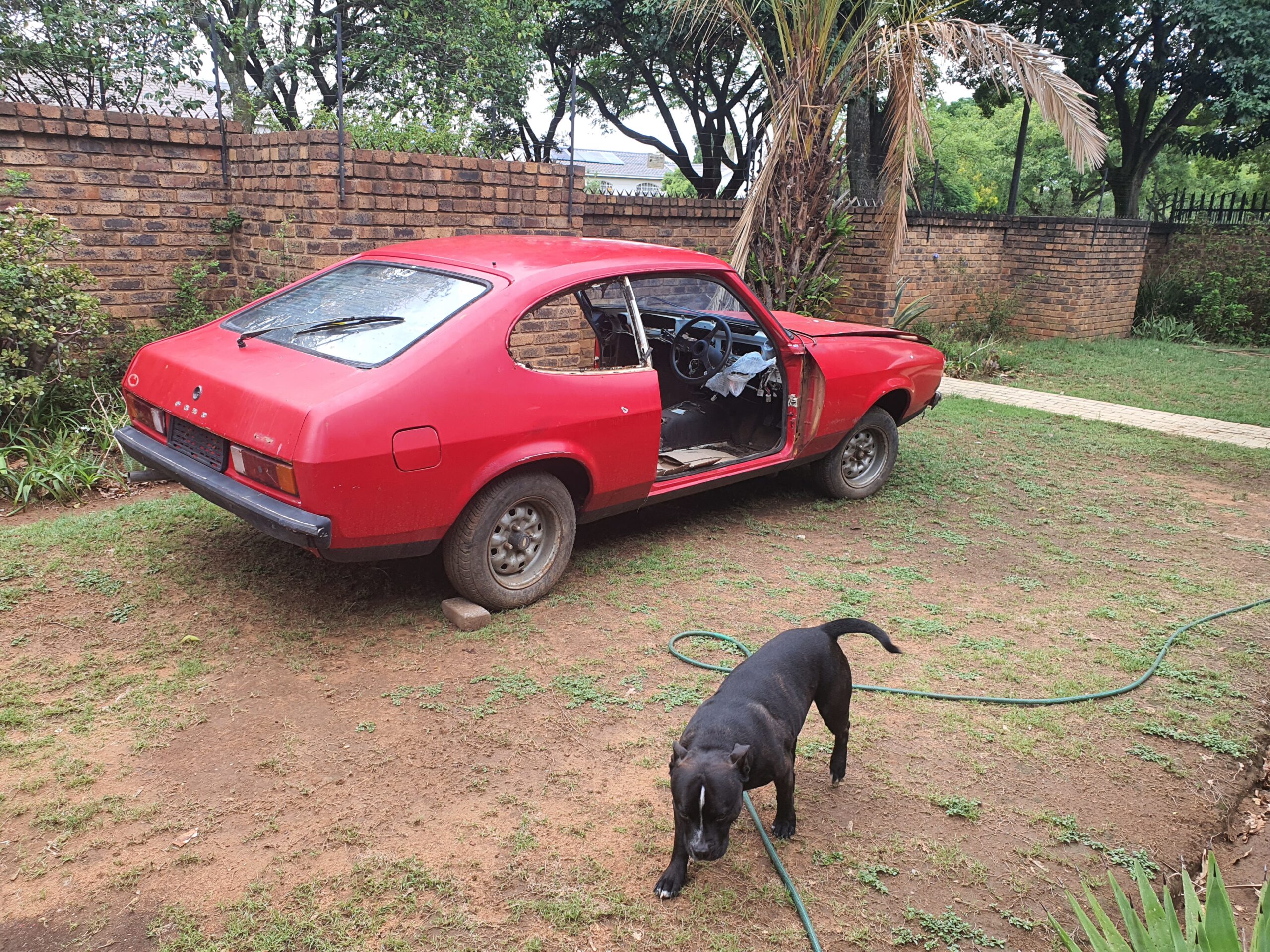
Why Restore the Ford Capri?
The Ford Capri II isn’t just a car; it’s a slice of automotive history. With its sleek lines and exhilarating performance, it's no wonder this vehicle has a dedicated following. Restoring one isn’t merely about fixing rust—it's a journey to bring a classic back to life.
Step 1: Assessing the Condition
The first step in any restoration project is to assess the current condition of the vehicle. This involves a thorough inspection to identify:
- Rust spots and corrosion
- Mechanical issues (engine, transmission, brakes)
- Interior wear and tear
- Electrical system integrity
Document your findings. Taking photographs can help you keep track of the car's progression and serve as a reference during the restoration process.
Step 2: Planning Your Restoration
Creating a detailed plan is essential to keep the restoration organized and on track. Consider the following aspects when planning:
- Budget: How much are you willing to invest?
- Timeline: How long do you expect the restoration to take?
- Resources: What tools and materials will you need?
- Skill set: Assess your capabilities and decide if you need professional help or can handle it yourself.
Step 3: Rust Repair and Bodywork
Rusted areas must be treated promptly to prevent further damage. Here are the steps you should consider:
- Remove Rust: Use a wire brush or grinder to eliminate rust.
- Patch Repair: Fill in holes with metal patches and welding techniques.
- Primer: Apply a rust-inhibiting primer to protect the metal.
- Paint: Choose a color that matches the original Ford Capri scheme or a custom color that suits your taste.
Step 4: Mechanical Rebuild
The heart of any car is its engine. For the Ford Capri, ensure the mechanical components are in top condition:
- Engine: Rebuild or replace parts as needed, checking for wear on pistons, rings, and bearings.
- Transmission: Inspect and service the transmission for smooth shifting.
- Brakes: Replace discs and pads; check brake lines for leaks.
Step 5: Interior Restoration
The interior is just as important as the exterior. Consider:
- Seats: Reupholster using high-quality materials.
- Dashboard: Repair cracks and restore gauge functionality.
- Carpets: Replace old carpets with new ones that match the style.
Step 6: Electrical System Overhaul
Modernizing the electrical system can enhance performance and safety. Check:
- Wiring integrity
- Battery health
- Bulb replacements
Step 7: Final Touches and Testing
Once the major restoration is done, take these final steps:
- Detailing: Clean and polish the car for a showroom shine.
- Test Drive: Take the Capri for a spin to ensure everything is working smoothly.
- Document Progress: Capture before and after photos to showcase your hard work!
Conclusion
Restoring a Ford Capri is a rewarding project that not only conserves automotive history but also deepens your appreciation for craftsmanship. By following these essential steps, you’ll be well on your way to transforming a rusted relic into a stunning automobile. Stay tuned for more updates on our journey as we breathe new life into this classic piece of history!